

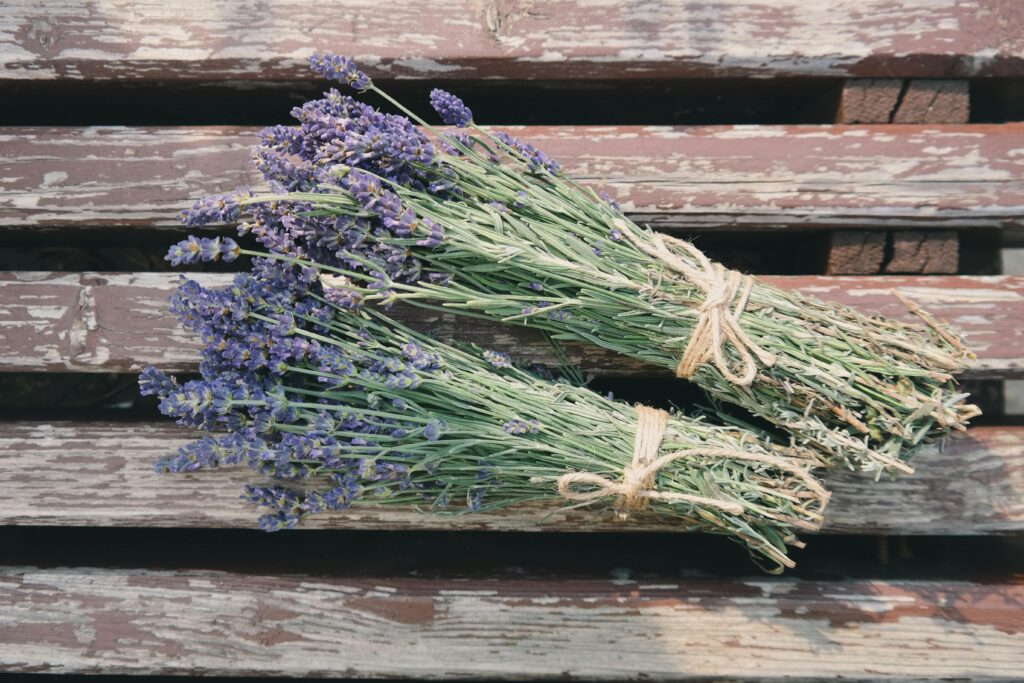
Drift into Calm: Lavender’s Soothing Aroma for Stress and Sleep
Feeling overwhelmed? Lavender’s gentle scent has soothed souls since Roman times. This purple bloom, more than a garden delight, calms the mind and body. Its aroma therapy offers relief for anxiety, sleep, and more. Let’s explore lavender’s science-backed benefits, uses, and safety tips, revealing why this tranquil herb is a daily essential for wellness.
Calming Anxiety and Sleep
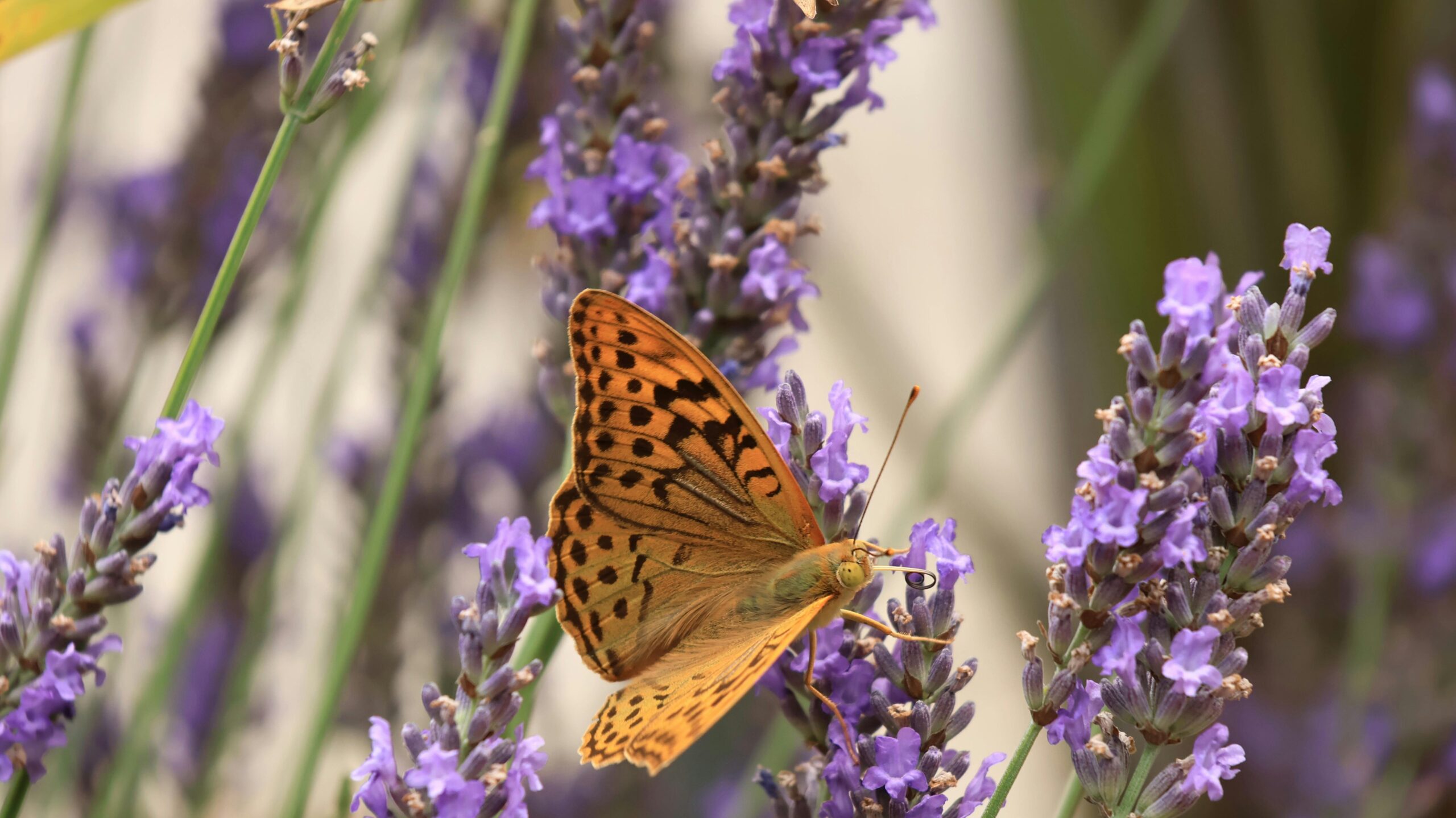
Lavender excels at easing stress. Its compounds, like linalool, relax the nervous system, reducing anxiety and worry. Studies show lavender oil improves sleep quality, helping with insomnia and restless nights. Inhaling its scent can lower heart rate and promote deep rest. Lavender also boosts mood, making it a natural choice for mental health support. Use it to unwind after a busy day and drift into calm.
Beyond the Mind: Body Benefits
Lavender’s powers extend to the body. Its anti-inflammatory effects soothe skin irritations like eczema or acne, reducing redness and swelling. Lavender eases headaches by relaxing tense muscles and improving blood flow. It fights microbes with antimicrobial, antifungal, and antiviral properties, helping with infections. Research suggests lavender aids wound healing by speeding tissue repair. It even calms spasms, supporting conditions like muscle cramps or digestive discomfort.
How to Use Lavender
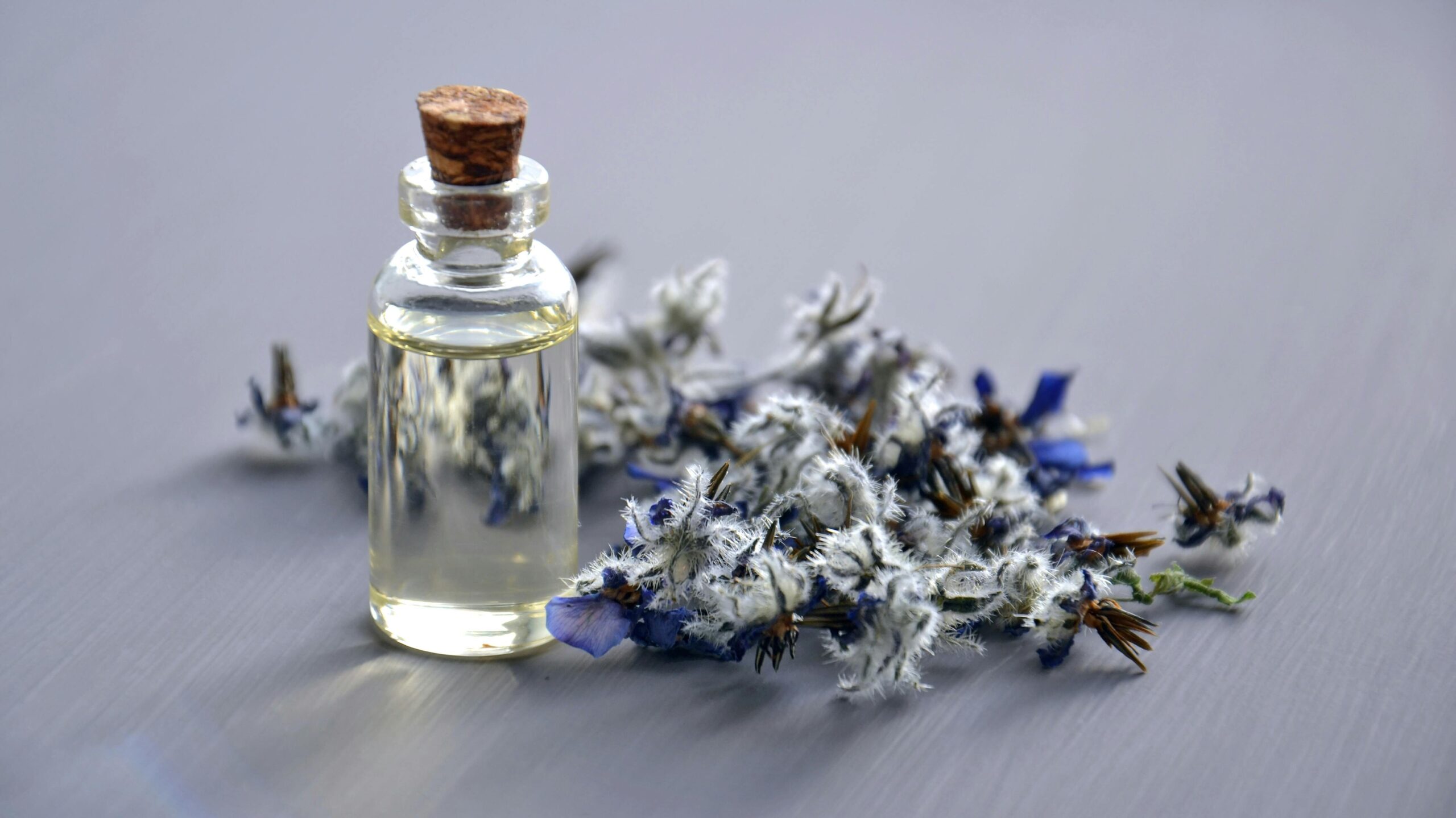
Embrace lavender’s calm easily. Add essential oil to a diffuser for room-filling aroma therapy—perfect for bedtime relaxation. Brew tea by steeping 1-2 grams of dried flowers in hot water for 5-10 minutes, sipping for stress relief. Apply diluted oil topically to skin for headaches or irritations. Add lavender to baths or pillows for a tranquil soak. Use daily in routines to spark peace and better sleep.
Safety and Precautions
Lavender is safe for most, but rare allergies can cause skin rashes. Use diluted essential oil to avoid irritation, and test on a small area first. Avoid ingesting large amounts, as it may cause nausea. Pregnant women should consult a doctor before using oils. Lavender may interact with sedatives, so check with a healthcare provider if on medications. Choose pure, high-quality products to ensure safety.

Why Lavender Matters
Lavender blends ancient charm with modern science, offering a soothing scent for body and mind. From easing anxiety to healing skin, this herb sparks tranquility naturally. Whether you diffuse oil or sip tea, lavender is a gentle powerhouse. Pick quality products, start small, and feel the calm. Make lavender your ally for a peaceful, healthy life!
Disclaimer: Always consult a doctor before using herbs for health.
Sources
- National Center for Complementary and Integrative Health (NCCIH). (2020). Lavender. Retrieved from https://www.nccih.nih.gov/health/lavender
- Kasper, S., et al. (2010). Efficacy of Silexan in the Treatment of Generalized Anxiety Disorder. Human Psychopharmacology, 25(7), 540-547.
- Lis-Balchin, M. (2014). Lavender: The Genus Lavandula. CRC Press.
- Cavanagh, H. M., & Wilkinson, J. M. (2005). Biological Activities of Lavender Essential Oil. Phytotherapy Research, 19(6), 461-468.
- Perry, N., & Perry, E. (2006). Lavender: The Genus Lavandula. Taylor & Francis.